01
Legged Locomotion
Developing coordinated 12-joint motion, standing stabilization, pose transitions, recovery, and gait behavior for execution on physical quadrupeds.
Dynamics · Stability · Gait DesignQuad Research Lab is an independent robotics research laboratory focused on legged locomotion, reinforcement learning, robotic mechanisms, proprioceptive actuation, and the transfer of learned control from simulation to physical hardware.
Studying the complete stack required for dynamic legged robotics—from physical architecture and actuator integration to learned locomotion and robust deployment on real machines.
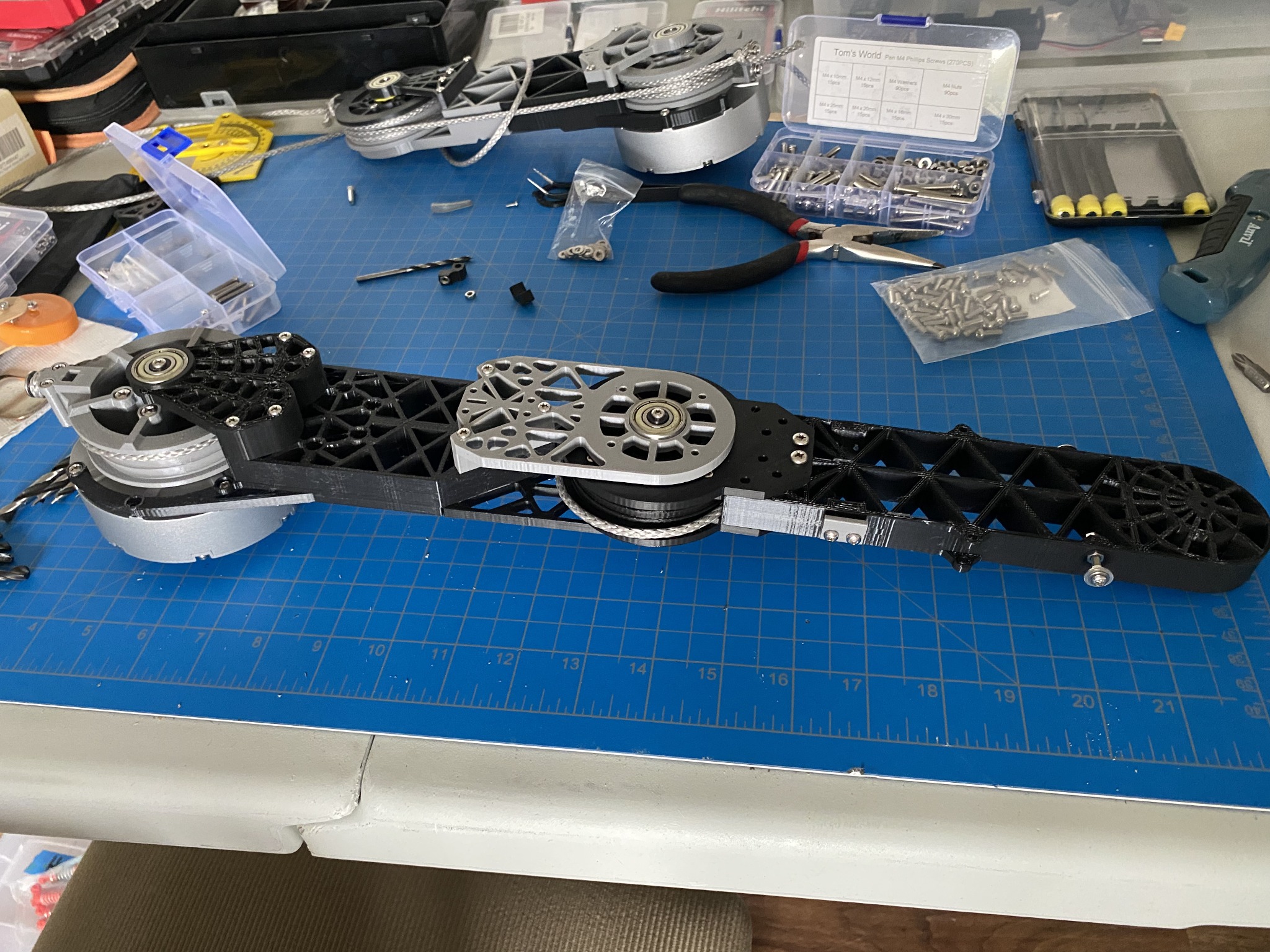
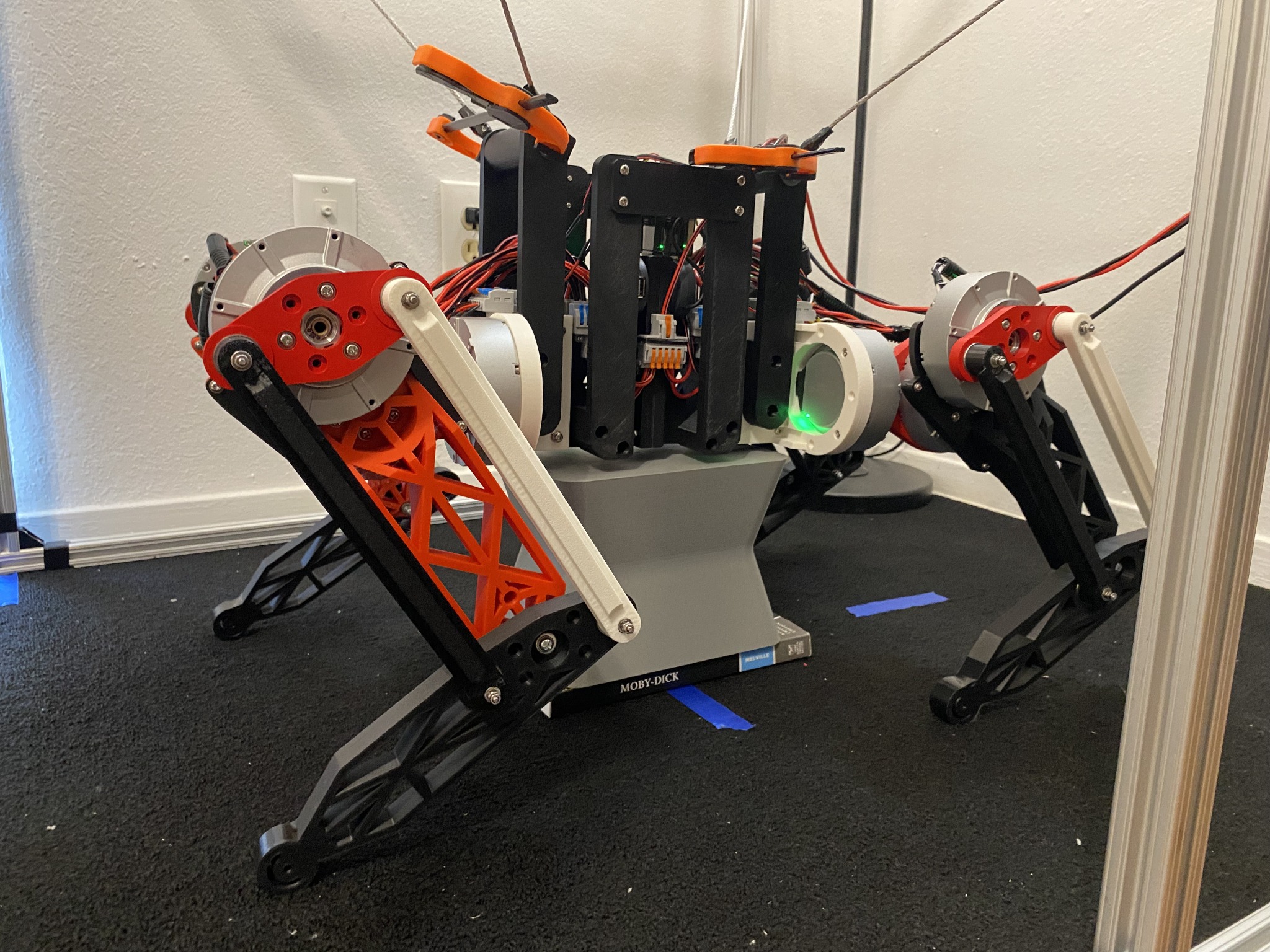
Physical development is centered on a custom quadruped platform used for actuator integration, low-level control, learned locomotion, and repeated simulation-to-hardware testing.
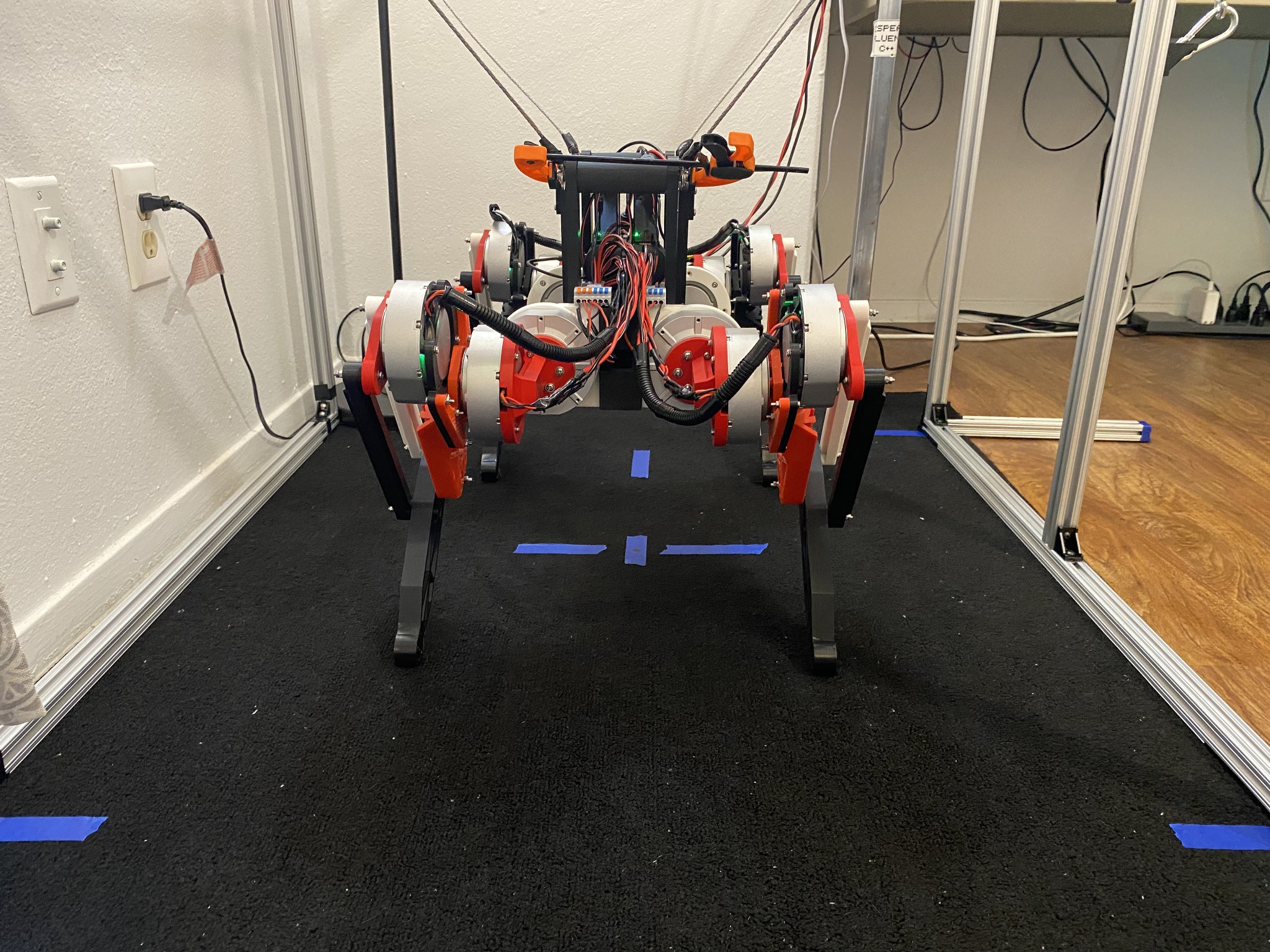
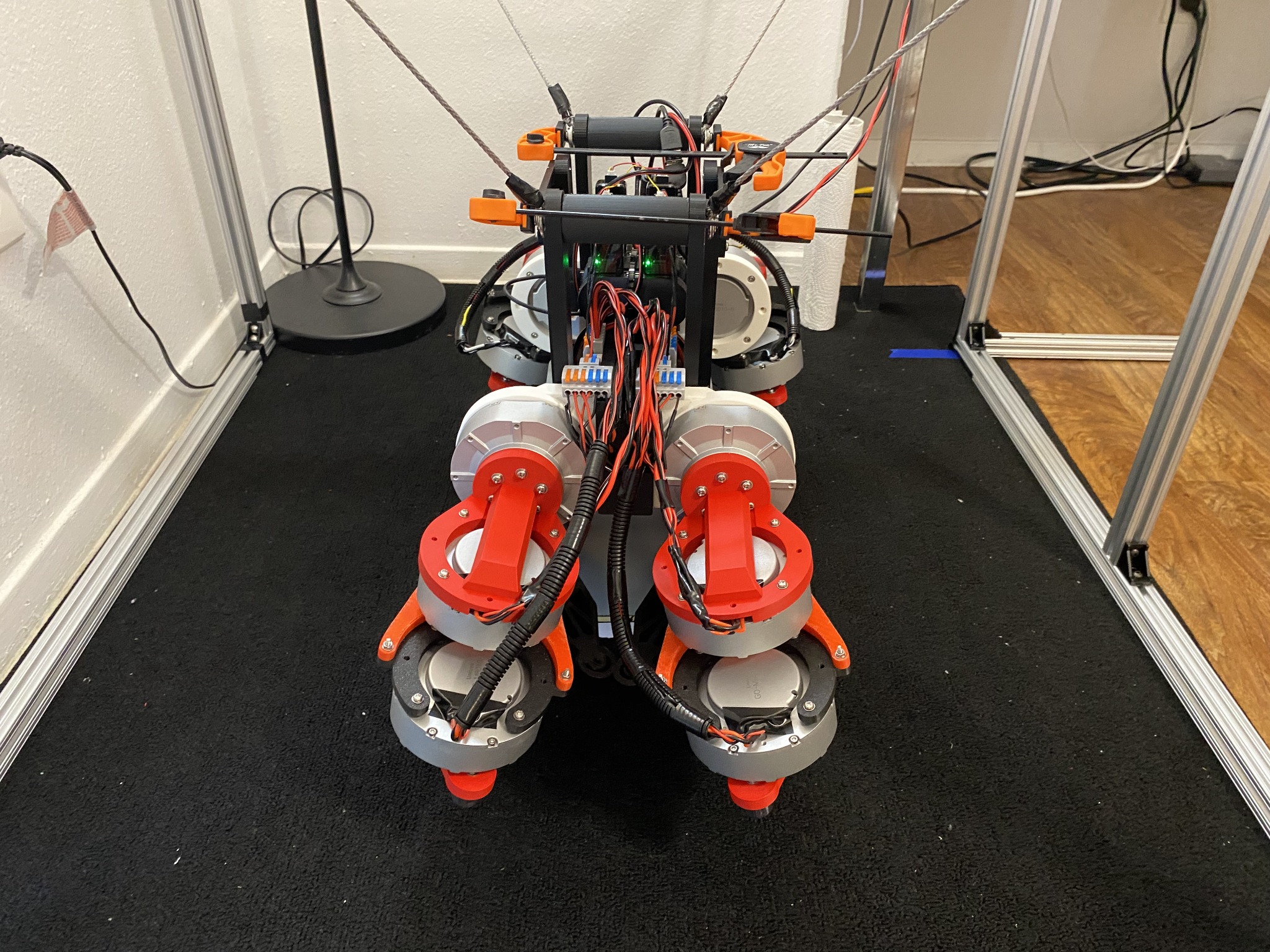
Research is organized around the systems that determine how a legged robot moves, learns, and survives outside simulation.
Developing coordinated 12-joint motion, standing stabilization, pose transitions, recovery, and gait behavior for execution on physical quadrupeds.
Dynamics · Stability · Gait DesignTraining neural locomotion policies with MuJoCo, MJX, JAX, PPO, and PyTorch-based workflows, with emphasis on policy-only control and sim-to-real transfer.
MuJoCo · MJX · PPO · Policy LearningCharacterizing and integrating actuators with position, velocity, torque, and feedback control for safe, responsive learned locomotion on real hardware.
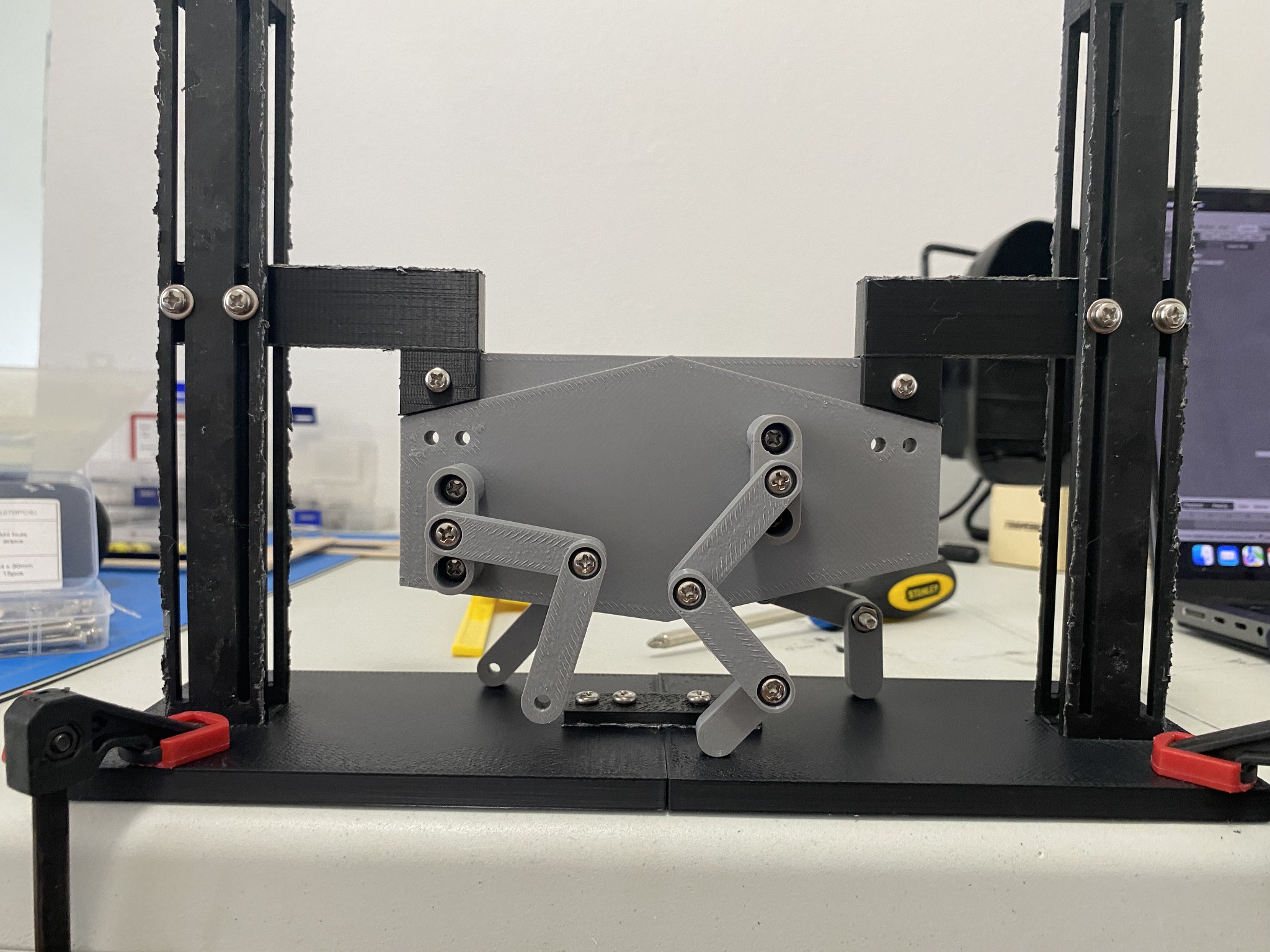
Actuation · Feedback · Embedded ControlIterating mechanical linkages, structures, cable routing, electronics, and power architecture while keeping the physical robot and simulation model closely aligned.
Mechanisms · Electronics · IntegrationQuad Research Lab is an independent robotics research laboratory in Dallas, Texas, founded by engineer Han Yildirim. The lab exists to advance the physical capability and intelligence of legged robots through tightly coupled work in mechanics, electronics, control, learning, and experimentation.
Current work centers on building and validating custom quadruped systems, developing proprioceptive actuation and control pipelines, and pushing learned locomotion toward reliable execution on real machines.